ATEK Grid Simulation
Primary Lab LocationATEK Grid serves as the primary digital twin and virtual world environment for Applied Labs, running on OpenSimulator over infrastructure we own and manage.

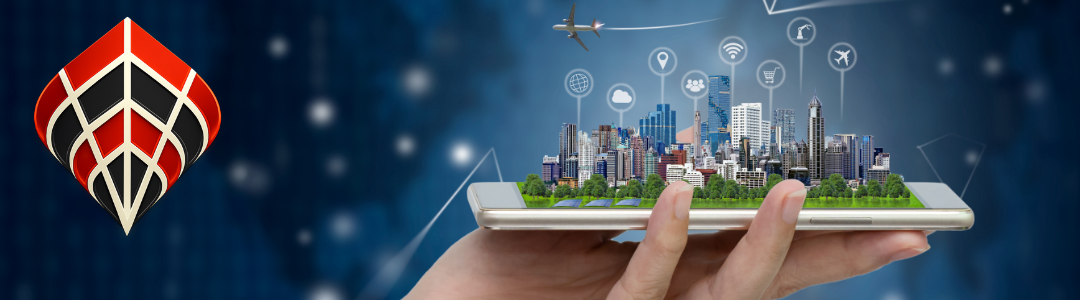
Nexus Smart City Applied Labs is built around ATEK Grid, our OpenSimulator-based virtual platform running on owned infrastructure. The lab uses multiple ATEK Grid regions and Discord collaboration spaces to design, test, and assemble resident-facing dashboards, services, communities, connected applications, and digital twin environments. It is where we develop in-world devices, simulate real-life city flows, and bring together both in-house and third-party projects that support the end user experience.
Applied Labs combines virtual regions, digital twin concepts, resident platform services, simulation workflows, and application integration into one connected environment.
ATEK Grid serves as the primary digital twin and virtual world environment for Applied Labs, running on OpenSimulator over infrastructure we own and manage.
Our primary focus is the resident-facing layer: dashboards, services, social features, communities, and tools that help end users interact with smart-city-connected technologies in a clear and useful way.
The lab supports the design of in-world devices and simulated city flows that mirror real-world operations. This allows concepts to be tested visually and operationally before wider deployment.
Applied Labs fosters the assembly of applications developed in-house or provided by third parties. The goal is to create a practical ecosystem of connected tools that can serve residents, communities, and operating teams.
A digital twin is a virtual world simulation of a real city or community, used to test services, infrastructure, and connected technologies before real-world deployment. In our OpenSimulator environment, it allows teams to simulate conditions, and understand how residents interact with services in a live 3D setting.
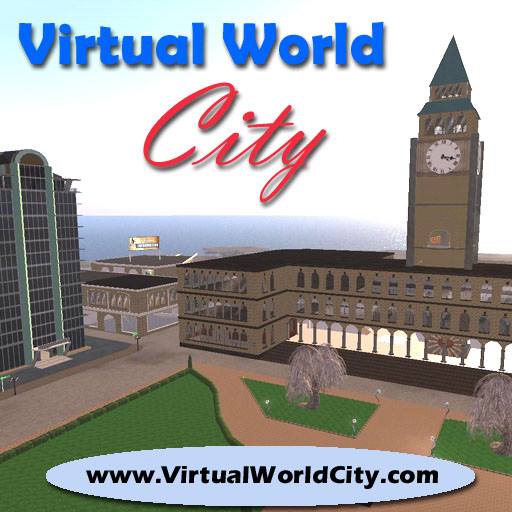
Virtual World City focuses on the creation of digital twin environments for cities, districts, campuses, developments, and communities. These virtual worlds provide a structured place to model services, infrastructure, and public-facing experiences.
We support multiple engagement models for Virtual World City, including direct development, leasing arrangements, and world sales for clients who want their own dedicated digital environment for long-term smart city or community initiatives.
Virtual World City gives organizations a place to test resident-facing applications, workflows, and service concepts before broader rollout. Dashboards, community tools, and connected services can be explored in a realistic digital setting.
These worlds also support the design and development of IoT-connected devices and smart city interaction points. By using a digital twin environment, teams can simulate how devices, alerts, data, and resident experiences come together before deployment.
The lab is designed to show how resident experiences, community tools, connected devices, and digital city concepts can be prototyped inside a controlled virtual environment.
Demonstrate how residents may interact with service notices, local issues, navigation aids, alerts, and community information through a unified dashboard experience.
Use ATEK Grid regions to represent communities, districts, and smart-city spaces where users can explore services, test features, and interact with connected systems in context.
Prototype in-world devices and real-world-connected concepts that reflect city activity, infrastructure status, environmental conditions, and resident-facing updates.
Extend the lab beyond the virtual world by using Discord for collaboration, planning, feedback, support, and community participation across development and testing efforts.
Our lab direction emphasizes resident value, platform control, digital twin innovation, and a flexible ecosystem that can continue expanding across services and communities.
Applied Labs is built around the end user. We prioritize interfaces, services, and community features that make smart city systems understandable and practical for residents.
ATEK Grid runs on OpenSimulator over owned server infrastructure, supporting long-term independence, platform control, and the flexibility to build without outside platform dependency.
The lab is intended to assemble, test, and refine both internal and third-party applications so the resident platform can grow into a broader ecosystem of useful services.
Applied Labs supports the broader Nexus Smart City platform by helping shape the resident dashboard layer, connected services, community features, digital twin environments, and simulation-driven smart city experiences. It serves as both a development environment and a collaboration space for building the end-user side of the ecosystem.